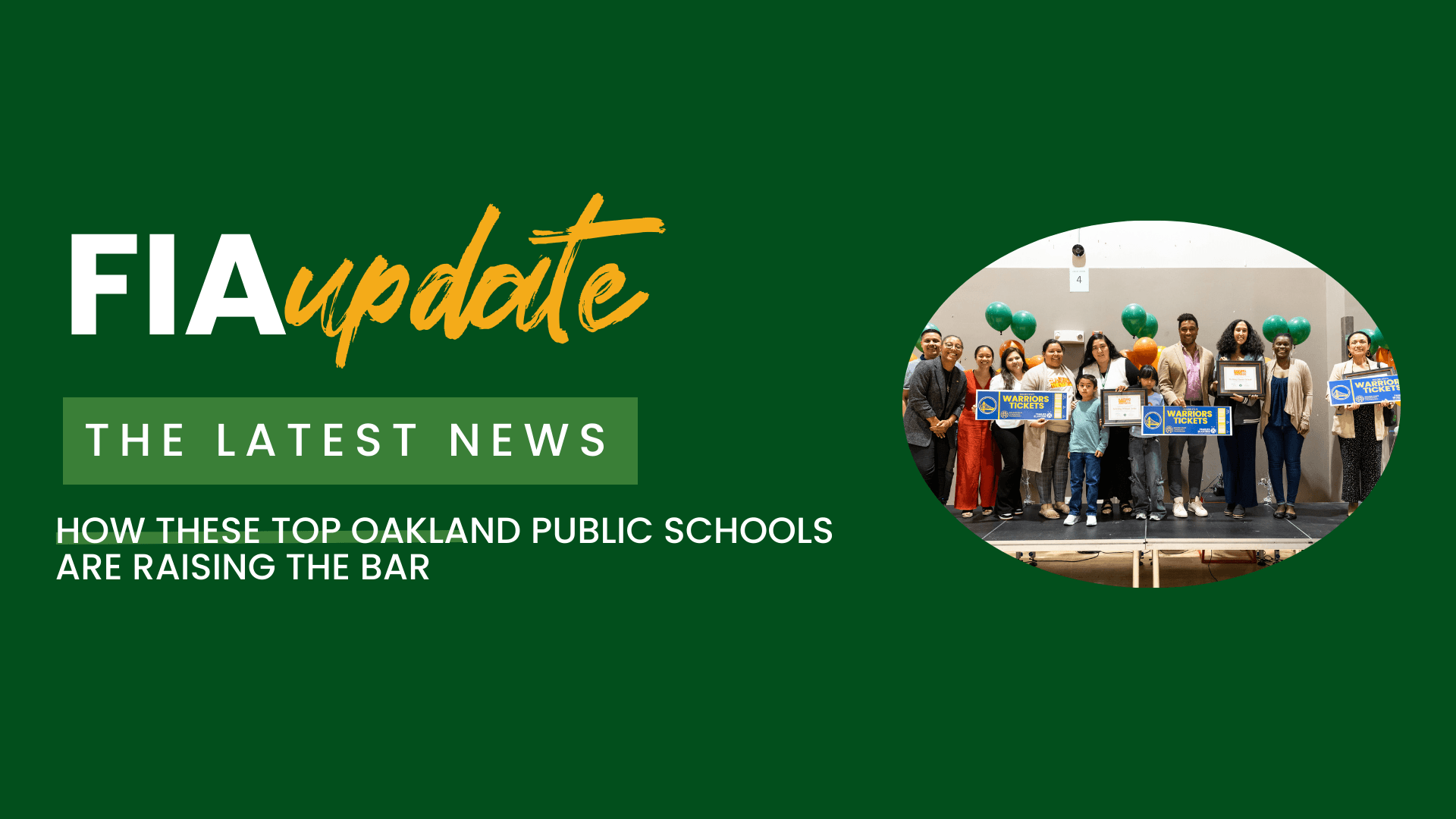
Representatives from Oakland Tech High School, Yu Ming Charter School, and Learning Without Limits at FIA’s 2025 Raise the Bar Awards.
Oakland Tech High School, Yu Ming Charter School, and Learning Without Limits are different schools with their own distinct models, yet they share a common commitment to student achievement. FIA has recognized each school with an “Academic Oscar” Award for specific gains: double-digit growth in English Language Arts for Black and Latino students (Oakland Tech); overall academic excellence that rivals the nation’s best schools (Yu Ming), and an innovative model of family partnership fueling student achievement (Learning Without Limits).
What is driving the success of the top public schools in Oakland, and how are they achieving these results for Black and Brown students?
We spoke with school leaders to learn more about their secret sauce driving their results. We learned about the deliberate systems they design, the deep belief in every student’s potential, and their innovative community partnerships. These schools are raising the bar for academic excellence in Oakland and setting an example of what Oakland public schools can achieve.
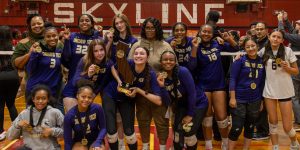
Student Athletes from Oakland Tech (Image from OUSD)
Oakland Technical High School: How a Culture of Belonging is Driving ELA Gains
Oakland Tech High School is being recognized for achieving double-digit gains in ELA for its Black and Latino students, a significant accomplishment for the largest public high school in Oakland. For Principal Martel Price, much of the success comes from intentional work to make a big school feel small, so every student feels they belong and that everyone is responsible for their success.
“If a kid feels successful academically, there’s going to be a level of belonging, engagement, and belief in themselves,” he said.
The strategy starts for all students when they enter the school. Incoming 9th graders are placed into smaller learning communities, which supports their social, emotional, and academic adjustment to high school life and creates an initial sense of connection. Within that structure, Black and Latino 9th graders are further cohorted into culturally affirming courses like African American Male Achievement or Latin American History, taught by staff who share their identities, to foster a deeper sense of belonging and engagement.
This “small school” feeling is sustained as students move into their Linked Learning career pathways. These pathways keep students cohorted together and are supported by dedicated “pathway teams” of teachers from subjects including math, English, and history who all teach the same set of students. These teams are designed to build relationships and create relevant learning experiences, meeting regularly to review student data and coordinate their academic and social support.
Principal Price grew up in Oakland and attended Oakland public schools. As a gifted student in Oakland schools, he was usually one of the only Black kids in advanced classes. When he got to high school, that isolation made him stop caring about school.
“I went from wanting to be a good student to feeling like, ‘You all can’t tell me anything,'” he remembers. His experience now drives his work to ensure Tech students know the school is a place they belong.
The student support at Tech is informed by data. Teachers at Tech regularly analyze data to make targeted interventions. They use the i-Ready diagnostic to identify the exact literacy skills where each student needs support. For example, after reviewing the data last year, the school’s English Language Arts teachers collectively launched a plan to strengthen informational text reading across grades, a targeted effort to close specific skill gaps identified in their students.
He reminds the staff that when teachers work together, they can make a greater impact.
“We’re dealing with historical, systemic legacies,” he said. “I realized as a teacher that I couldn’t do it alone. We have to work collectively to change these outcomes.”

Yu Ming students at their 8th grade graduation
Yu Ming Charter School: Engineering Excellence for Every Student
By many measures, Yu Ming Charter School is one of the top public schools in California. Along with the FIA award for overall academic excellence, Yu Ming also achieved a second Blue Ribbon School award.
Yu Ming is showing that a school can serve students from all backgrounds and cultures and be academically achieving at the highest levels.
“We know what’s possible for students, and we do everything in our ability to get that for them,” says CEO Stacey Wang. “We have a chance to help open minds to new solutions and shape future possibilities.”
One of the school’s foundational beliefs is that students will thrive academically when they learn alongside peers from different backgrounds, and this aligns with the research. That includes recruiting families who qualify for free and reduced-price lunch through targeted outreach and weighted lotteries to preference these families.
A strategy to help every student succeed is to give them a strong start. Kindergarten through second-grade classrooms are staffed with two adults (a teacher and an assistant). At the beginning of the school year, each student is matched with an educator who best suits their learning style and needs.
“I was amazed by how much teachers knew about all the students, including mine, in just a couple of weeks,” Wang said.
As a public charter school committed to serving all students, Yu Ming has the freedom to design systems that work for every member of its community, regardless of background. This means that all teachers follow the same rigorously designed and research backed curriculum and monitor every student’s growth and opportunities for support weekly. No child is left behind or lost in the system.
Teachers are also backed up with real support. School leaders are in classrooms weekly to informally observe and support teachers and students directly, and teachers have six hours of paid planning time – double that of most other schools – to prepare. To top it off, they can prep remotely, a unique opportunity that’s based on the strong trust and collaboration between the school and its teachers.
Through its new Multilingual Institute, Yu Ming is coaching other immersion schools across California and further living into its commitment to improve bilingual education for students everywhere. For Wang and her team, excellence is a non-negotiable baseline, and it’s inseparable from their commitment to the community and every single student.
“We always believe that what makes us each special and different adds to the community and actually supports cognitive growth and academic excellence,” she said.
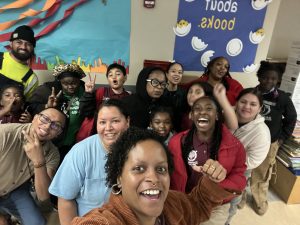
Learning Without Limits Family Leaders coming together to ensure parents are informed and connected, so students can perform even better!
Learning Without Limits: Family Partnership Fueling Student Achievement
Learning Without Limits earned recognition for Outstanding Family Academic Partnership because families are true partners in learning. Their involvement is essential to boosting student achievement.
“Families are such a critical part of the work,” said LWL Principal Nicki Fox. “It’s hard to get anywhere without them.”
For Principal Fox, the school has been through a remarkable shift in its culture, where conversations center around student learning and growth. “It makes me feel like we’re all rowing in the same direction,” she said.
This transformation is driven by the school’s Family Academic Partnership (FAP) team. This group of parent leaders plans and facilitates academic events in response to family-identified needs.
After families consistently asked for math support, the FAP team organized an Academic Town Hall where the assistant principal taught grade-level strategies. The result was an 18% jump in student proficiency.
“That’s the power of data,” Fox said, “when it’s shared and acted on with families.”
A third-grade parent and teacher sparked the first-grade-level family meeting. The FAP team helped plan it, and families led the facilitation. The success created a blueprint for other grades.
It’s all about “seizing the moment” when family and teacher passion align with school goals. The partnership with Families in Action provided a framework to work with.
“FIA makes it really clear what makes really strong family partnerships,” Fox said. “It’s made that work more manageable and easier to do.”